
Background
Factory farms provide over 95% of the meat, dairy, and egg products consumed in the U.S. They are also arguably the single greatest source of suffering, environmental destruction, and chronic disease on the planet. Worldwide, 58 billion land animals, including birds, pigs, and cows, are slaughtered for food each year; in the U.S. the number is 10 billion. Extreme overcrowding on factory farms prohibits most livestock from turning around or stretching their limbs for their entire lives. The dehorning, castration, tail docking, and beak-trimming treatments routinely forced on farm animals without painkiller would be punishable as crimes if inflicted on our pets.
The environmental impacts of CAFOs are vast. Livestock production is a major contributor to biodiversity loss, land degradation, and water consumption, and contributes at least 18% of global greenhouse gas (GHG) emissions. Much of this impact comes from growing and fertilizing feed for livestock; 16 pounds of plant protein are needed to produce one pound of beef protein. A UN study found that “a shift . . . to vegetarianism in the U.S. could reduce land and fertilizer demands of Mississippi Basin crops by over 50%, which would return nutrient loads to levels at which the Gulf of Mexico ‘dead zone’ was small or non-existent.”
Eating vegetarian one day each week reduces environmental impact to a greater extent than eating a completely local diet. Switching to a completely plant-based diet reduces your carbon footprint more than switching from a sedan to a Prius.
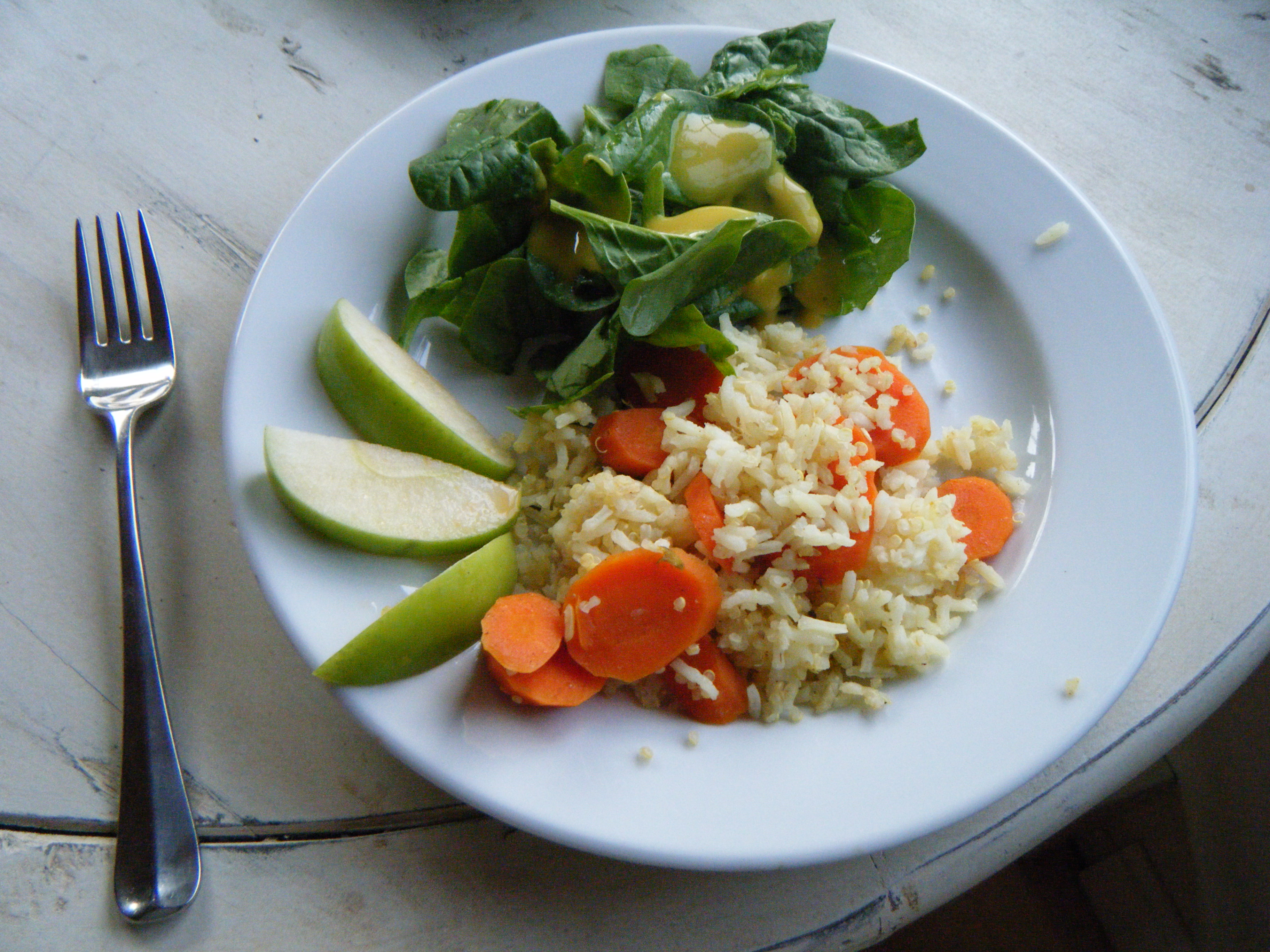 When it comes to our health, research continues to underscore the impacts of the “Standard American Diet” (SAD), characterized by high consumption of animal products and low consumption of plant-based foods. Cultures that eat the reverse of SAD have a lower incidence of obesity, cancer, and heart disease. That’s why the American Heart Association, American Cancer Society, American Dietetic Association, and President Bill Clinton all promote the benefits of a plant based diet.
Some suggest free-range farming as an answer. While this is a step in the right direction, there is simply insufficient land to pasture the 58 billion animals killed for food each year to meet current global demand. Living sustainably, and compassionately, requires reducing our reliance on animal products.
Project purpose
Less Carbon, More Compassion (LCMC) aims to inspire a nationwide groundswell to advance the environmental, health, and moral imperative for widespread adoption of a healthy, delicious, plant-based diet. Our aim is to catalyze individual and institutional change, with concrete and measurable impacts on the choices of foods promoted, purchased, and consumed by government entities, schools, agencies, and households. By building a local and a national network, we will extend our reach to over a dozen organizations and their members, reaching a national audience.
Goals
* Organize and activate a coalition of health, environmental, agricultural, faith-based, and animal rights groups dedicated to a shared vision for promoting widespread adoption of a plant-based diet for environmental, health and ethical reasons.
* Catalyze the passage of Meatless Monday and related resolutions by municipalities.
* Inspire schools to adopt vegetarian breakfast and lunch programs.
* Generate an upsurge in households adopting vegetarian and vegan diets.
Proposed activities
Talks, film screenings, conferences, and advocacy will be aimed at stimulating personal and institutional transformation. We will share research, tips on sustainable and healthy living, and strategies for social change. Members of the coalition will educate and support one another in mindful, effective activism. Sample activities:
1. Leadership. Convene a high-level advisory committee for the purposes of providing general guidance and support to this project, connecting our efforts with public and private groups, and helping us to spread the word.
2. Materials. Develop literature that highlights the environmental, health, and animal protection benefits of a plant-based diet.
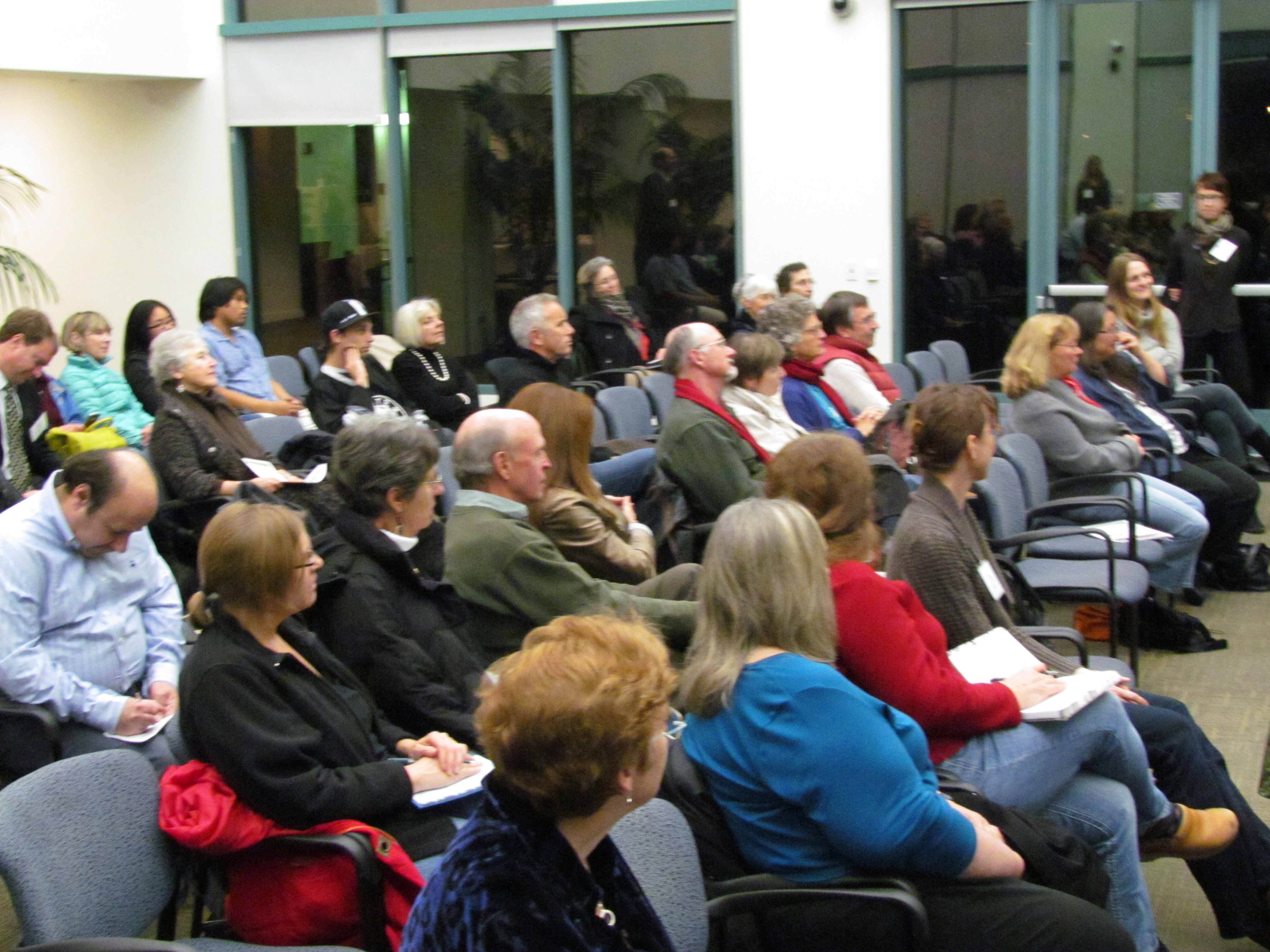 3. Education. By replicating Green Sangha’s success in being invited to provide compelling presentations about reducing our reliance on plastics, we will inspire personal dietary change among community thought leaders and leaders of organizations with health, environmental, animal protection, and service-oriented missions by delivering compelling presentations at their events.
4. Farmers’ Markets. Staff tables at popular markets; provide materials; enlist citizen involvement.
5. Local government. Champion Meatless Monday, Cool Foods, and related resolutions with elected officials and sustainability staff.
6. Schools. With Green Cities California (GCC), launch a pilot project to adopt plant-based breakfast and lunch programs in Marin County that can be replicated statewide.
7. Training. To reach a national audience, we will consolidate lessons learned from the activities above to develop training webinars for replication of the project and training of trainers.
How does this project relate to Green Sangha’s mission?
A thoughtful consideration of the impacts of the livestock industry leads us to recognize our relatedness to animals that we raise for food. This understanding is key to restoring our sense of oneness, at the heart of our mission.
Green Sangha’s fundamental aim is to heal our communities. Shifting to a plant-based diet will have an immensely healing effect by reducing the documented health risks of a diet high in animal products. This dietary shift also supports our other primary aim, to heal the earth. Raising and slaughtering billions of animals for food is one of the most significant contributors to climate change and global environmental destruction. No other action is more highly leveraged for restoring ecological balance than bringing an end to these practices and adopting an organic, locally-sourced, plant-based diet.
Help us reach our goal of $35,000 to support this project! Click here to donate to Green Sangha, and specify “Less Carbon, More Compassion.”